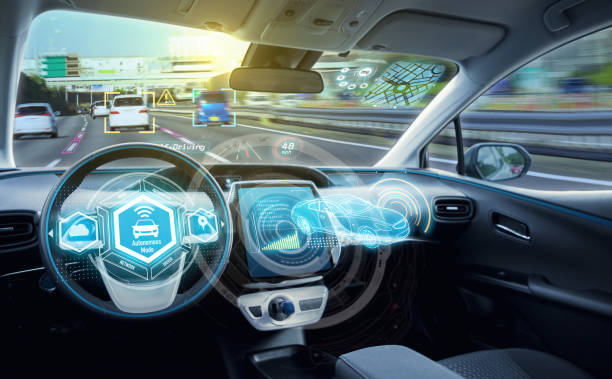
ok so self-driving cars are no longer just sci-fi stuff like in movies they are slowly creeping into our cities and honestly it’s weird exciting and scary at the same time like imagine sitting in traffic doing nothing while car drives you some people panic thinking about safety others are thrilled like freedom from stress i tried riding in one demo once felt both magical and terrifying at same time hands off wheel brain off autopilot
What Self-Driving Cars Are
self-driving cars are vehicles that use sensors cameras radar AI to navigate roads detect obstacles follow traffic rules basically robot chauffeur for urban life some fully autonomous some semi autonomous require human supervision at times still impressive technology
Reducing Traffic Stress
commuting sucks traffic jams honking stress frustration long drives contribute to daily burnout self-driving cars promise to reduce mental load just sit relax read listen music sometimes nap while car handles driving tiny relief but cumulative huge
also AI can optimize routes reduce congestion avoid accidents smoother traffic flow less stop and go = less stress and fuel consumption minor efficiency changes = big over weeks months
Safety Improvements
human error causes majority of accidents self-driving tech aims to reduce crashes by detecting hazards faster than humans anticipate behavior better AI can react instantly brakes steering lane keeping sensors monitor blind spots constantly
still not perfect sensors fail edge cases unpredictable human behavior can confuse system but overall potential life-saving technology huge
Impact On Urban Planning
self-driving cars may reduce need for parking lots huge space in cities freed for green areas recreation housing reduces urban sprawl encourages efficient land use
also may reduce car ownership as ride-sharing autonomous fleets become popular fewer cars more rides smarter urban transport infrastructure could evolve around AI vehicles redesign streets optimize flow
Changes To Public Transport
some worry self-driving cars replace buses trains others argue complement transit AI can integrate with existing systems shuttle people to hubs first mile last mile improving efficiency better connections less reliance on private vehicles
Productivity During Commute
humans free from driving can use commute time for work entertainment rest reading emails productivity or relaxation potential mental health improvement over stressful driving time
i personally imagine reading book commuting normally i just stare at horn honking chaos self-driving would actually let me do something useful or relax
Environmental Impacts
smooth driving = less fuel waste reduced emissions some electric self-driving fleets reduce urban pollution long term benefit depends on adoption rate public policy vehicle energy source
Challenges And Concerns
technology not perfect edge cases unpredictable weather human error interactions software glitches legal liability accidents who responsible privacy data security ethical dilemmas AI decision-making
also high cost initially accessibility not universal yet some communities left behind adoption uneven potentially exacerbating inequality
Social Changes
commuting habits change humans less stressed more time flexible work options people may live further from office comfortable ride reduces distance burden lifestyle shifts urban culture
Personal Experience
demo ride felt surreal brain tried to micro-manage car worried it would crash but mostly smooth AI reacted fast unexpected lane merge traffic lights all handled i literally did nothing but watch city pass by tiny sense of awe and relief
Integration With Smart Cities
AI cars can communicate with traffic lights sensors other vehicles coordinate for optimal flow reduce congestion accidents emergency vehicle priority integrated with urban AI management smarter safer city life
Potential Future
fully autonomous city fleets ride-sharing reduce private car ownership less traffic less accidents cleaner environment flexible mobility self-driving cars more common eventually public perception shift normal daily life seamless commuting experience
Final Thoughts
self-driving cars reshaping urban commutes in multiple ways
less stress = mental health benefit
more productivity = use commute time smarter
safer roads = less accidents
environment potential = smoother traffic lower emissions
still challenges exist cost technology regulation ethics adoption pace
balance between convenience and safety adoption gradual
overall future commuting urban life looks less chaotic more efficient more adaptive humans co-existing with intelligent transport systems brain less tense life smoother
small rides today tiny steps toward big city change tomorrow